
A Practical Checklist for Buying a Lake, Mountain, or Rural Home Near Blairsville, Georgia
Contents
Key Takeaways
- Scenic properties usually require more due diligence than a typical neighborhood home.
- Road access, utilities, drainage, insurance, and restrictions should be reviewed before an offer is made.
- Lake access is not the same as private shoreline ownership or guaranteed dock rights.
- A property that feels ideal for a weekend may have different needs as a full-time home.
- Inspections should match the home, land, location, and intended use.
Buying a scenic home in the Blairsville area can mean waking up to mountain ridges, wooded acreage, or lake views, but the property details behind that setting deserve careful attention. Roads, slopes, shoreline rules, septic systems, and utility access can influence both everyday comfort and long-term ownership costs.
For buyers comparing North Georgia and Western North Carolina properties, Blairsville GA real estate agent Lucretia Collins can be a useful local starting point. The Lucretia Collins Team website features guidance on residential and commercial properties, home valuation services, and local listings for communities across North Georgia and Western North Carolina. That regional focus is especially relevant when a purchase involves mountain access, rural land, lake communities, or a second-home lifestyle.
Why Blairsville-Area Scenic Homes Need Extra Research
In and around Blairsville, homes may sit on winding roads, steep lots, private drives, wooded tracts, or near managed shorelines. Listing photos can show the view, but they may not reveal water flow after heavy rain, a narrow driveway turn, tree maintenance needs, or the condition of a shared road. A lower purchase price can also be offset by private infrastructure and specialized upkeep.
Whenever possible, revisit the property at different times of day and in varied weather. Listen for road noise, test the drive in a normal vehicle, and observe where water collects. Those practical steps can reveal whether a beautiful setting also works for daily errands, guests, deliveries, and emergency access.
Step One: Define How You Will Use the Home
Start with the lifestyle, not just the view. A primary residence should support reliable year-round travel, access to healthcare, grocery shopping, internet service, and heating needs. A weekend cabin may be workable with more limited services, while a rental property may need to meet local, association, insurance, and financing requirements.
- Primary home: Consider commute time, school needs, medical services, and all-season access.
- Second home: Plan for monitoring, maintenance, security, and weather-related preparation while away.
- Remote work: Test internet speed and cell coverage inside the home, not only near the road.
- Rental use: Review covenants, occupancy limits, parking, septic capacity, and rental restrictions.
- Retirement planning: Assess stairs, driveway grades, bathroom layout, and access during poor weather.
Step Two: Compare the Property Type
Lake Property
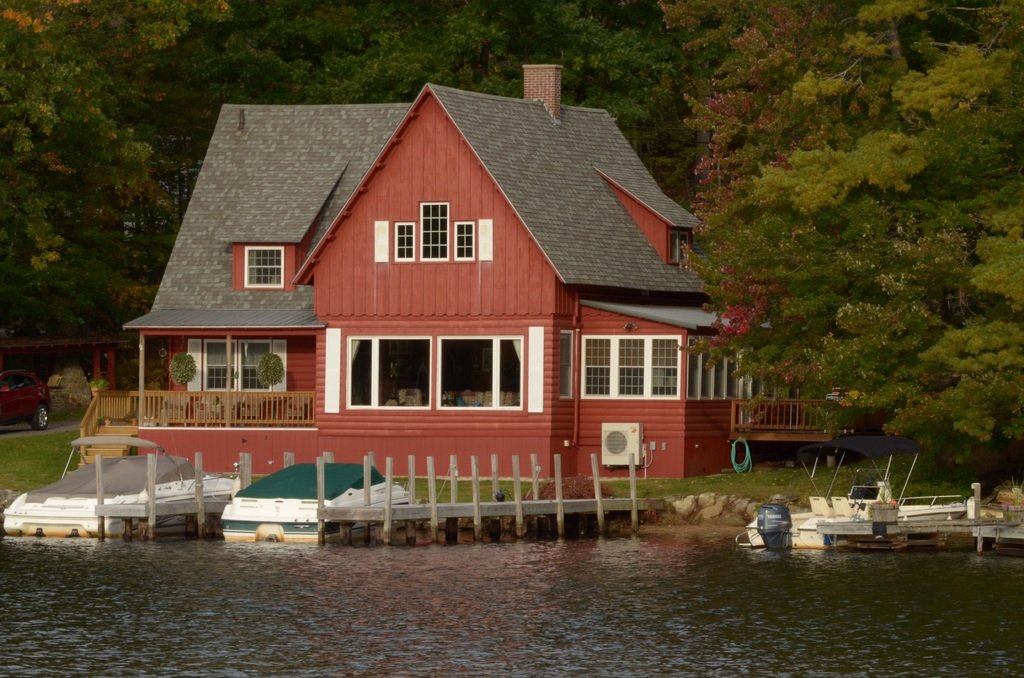
“Lakefront,” “lake access,” and “lake view” can describe very different ownership situations. Confirm where the property line ends, whether an access path is shared, and whether the home has any recorded right to use a dock or shoreline facility. On reservoirs under TVA jurisdiction, buyers should review TVA’s shoreline-permit guidance because existing facilities and proposed changes may require review or approval.
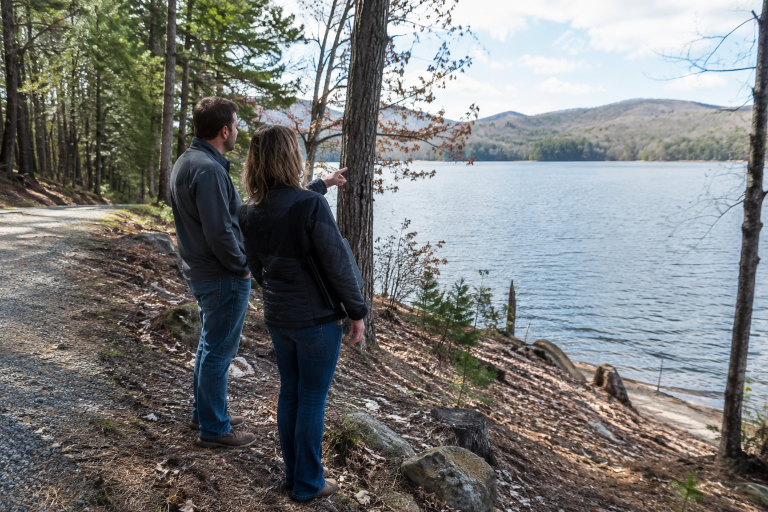
Also inspect decks, retaining features, steps, shoreline stabilization, and outdoor structures. These features can be exposed to moisture, fluctuating water levels, and the demands of regular maintenance.
Mountain Property
Mountain homes can offer privacy and wide views, but slopes require attention. Ask about drainage, erosion, retaining walls, culverts, and any history of soil movement or water intrusion. Look for cracked masonry, leaning walls, exposed roots, washed-out areas, or driveway edges that appear unstable.
Views may also change over time. Unless a buyer owns or has an enforceable right affecting the land beyond the view, nearby trees may grow, be removed, or surrounding parcels may be developed.
Rural Property
Rural homes often rely on systems that suburban buyers may not manage directly, including private wells, septic systems, propane, generators, and shared roads. Request permits, service records, and inspection information early enough to evaluate them before the due-diligence period ends.
Step Three: Build a Complete Ownership Budget
The mortgage payment is only one part of the cost. Build a realistic budget that includes property taxes, homeowners insurance, possible flood or wind coverage, association fees, road assessments, and seasonal maintenance. Add likely costs for driveway grading, tree work, fuel delivery, well treatment, septic service, generator upkeep, and higher heating or cooling needs.
Get an insurance quote before removing contingencies. Coverage availability and pricing can vary by the home’s location, construction, claims history, wildfire exposure, flood-zone status, and distance from emergency services.
Step Four: Inspect Roads, Driveways, and Easements
- Confirm whether access is public, private, shared, or granted through an easement.
- Review recorded road-maintenance agreements and association documents.
- Ask who pays for grading, paving, drainage repairs, fallen trees, and storm damage.
- Drive the entire route in an ordinary vehicle, including the final approach to the home.
- Check bridge crossings, steep turns, narrow sections, and turnaround space.
- Ask whether emergency vehicles, delivery services, and utility crews can reach the property.
Step Five: Verify Water, Septic, Power, and Internet
Request well permits, water-quality reports, and available flow information. For septic systems, review permits, approved bedroom capacity, maintenance records, and inspection results. A larger household, an addition, or frequent guests can place demands on systems that were designed for a smaller use.
Check the age and condition of electrical panels, heating equipment, propane tanks, backup generators, and fireplaces or chimneys. Finally, test internet and mobile service from inside the home and at outdoor work areas if connectivity matters to your routine.
Step Six: Review Flood, Fire, and Slope Risks
Use official tools as a starting point, then rely on property-specific inspections and insurance advice before proceeding. The FEMA Hazard Explorer provides location-based tools and resources that can help buyers begin reviewing community-level natural hazards.
Ask the seller about past flooding, drainage repairs, water intrusion, storm damage, and insurance claims. A qualified professional may be appropriate when the property has substantial slopes, retaining structures, visible erosion, or drainage concerns.
Questions to Ask During a Showing
- How does the property perform after heavy rain, wind, or winter weather?
- Who maintains the road, driveway, and shared drainage features?
- What are the typical utility, fuel, maintenance, and association costs?
- When were the well and septic system last inspected or serviced?
- Are rentals, additions, animals, docks, or outbuildings restricted?
- Are there unresolved boundary, access, permit, title, or encroachment issues?
A Simple Pre-Offer Checklist
- Set a budget that includes insurance and likely property maintenance.
- Review disclosures, permits, surveys, easements, and service records.
- Schedule general, well, septic, structural, drainage, pest, roof, or chimney inspections as needed.
- Verify boundaries, lake rights, restrictions, and access in writing.
- Keep appropriate inspection, financing, appraisal, and title protections in the contract.
Final Thought
A lake, mountain, or rural home near Blairsville can provide privacy, recreation, and a distinctive way of life. The strongest purchase decisions look beyond the scenery to evaluate access, utilities, land conditions, insurance, restrictions, and future upkeep. A careful checklist helps buyers choose a home that remains practical long after move-in day.